If you’ve ever browsed PC parts, overclocking forums, or gaming benchmarks, you’ve probably seen something like this:
“I got an i9-14900K that hits 6.0 GHz on all cores with 1.1V. Absolute unit.”
And then you wonder:
“Wait… I bought the same i9, and mine barely manages 5.1 GHz at 1.3V. Did I get a defective chip? Is this a scam? Is the CPU secretly judging me?”
Relax. It’s not you, it’s CPU binning.
Welcome to the quirky, mysterious, slightly magical world of CPU binning, where not all processors are born equal—even if they have the same model number.
What is CPU Binning?
At its core, CPU binning is like a talent show for processors.
When manufacturers produce CPUs, not every chip comes out perfect. Even with the same design, fabrication, and factory magic, silicon isn’t flawless.
Think of it like baking cookies:
-
You mix the dough, bake 100 cookies, and they all look similar.
-
Some cookies come out perfectly golden, soft, and delicious.
-
Some are slightly burnt on the edges.
-
Some are slightly undercooked in the middle.
In the CPU world:
-
Perfect chips = CPUs that can run at high clock speeds with low voltage.
-
Okay chips = CPUs that need a bit more voltage or don’t hit extreme clocks.
-
Marginal chips = Still functional but only stable at stock speeds.
CPU binning is the process of sorting these “cookies” based on their performance potential.
Why Does Binning Exist?
-
Silicon Imperfections Are Normal
-
Even the most advanced semiconductor factories can’t make 100% identical CPUs.
-
Minute differences in doping, gate length, and transistor efficiency cause variations.
-
-
Marketing Needs Heroes
-
Intel and AMD need to sell flagship CPUs like i9s, Ryzen 9s, and Threadrippers.
-
Binning allows them to guarantee performance for premium chips.
-
-
Overclocking Potential
-
Enthusiasts want chips that run higher clocks with lower voltage.
-
Binning ensures that the “golden chips” get sold to gamers and overclockers who will pay top dollar.
-
How CPU Binning Works: Step by Step
Imagine you’re in a CPU factory. Here’s what happens:
-
Fabrication
-
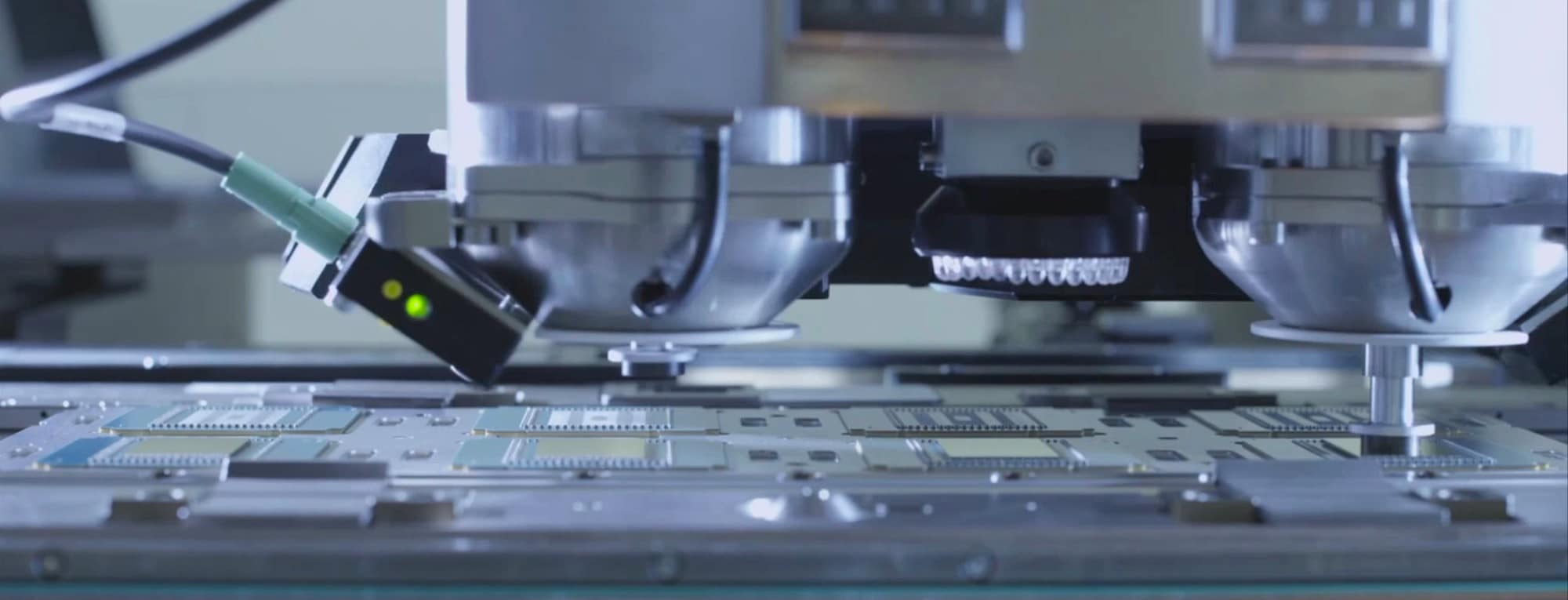
Wafers of silicon are grown and etched into hundreds of CPUs.
-
At this point, all chips are technically identical on paper.
-
-
Testing for Stability
-
Each CPU is tested at various clock speeds and voltages.
-
Some chips run perfectly at 5.5 GHz on 1.2V.
-
Some only manage 5.0 GHz stably.
-
Others struggle at 4.8 GHz without errors.
-
-
Sorting (Binning)
-
Chips that perform the best under stress tests are marked for premium models.
-
Mid-tier chips are sold as mid-range CPUs.
-
Lower-performing chips may still be sold as budget CPUs.
-
-
Labeling
-
That’s how two CPUs of the same model can behave differently.
-
“K” suffix chips (like i7-13700K) are usually high-binned because they can overclock better.
-
Non-K chips are lower-binned, stable at stock but less overclock-friendly.
-
Binning in Real Life: The Silicon Lottery
Ever heard of the “Silicon Lottery”?
-
When buying a CPU, you’re essentially buying a ticket in this lottery.
-
Sometimes you get the golden chip: runs cool, low voltage, super overclockable.
-
Sometimes… you get the potato chip: needs higher voltage, hotter temperatures, modest overclocking.
Example:
-
Two Ryzen 9 7950X CPUs, same model, same batch.
-
One hits 5.5 GHz all-core at 1.2V.
-
The other barely stabilizes at 5.3 GHz at 1.25V.
-
Both are “normal” according to specs, but one is a premium binned chip.
It’s like buying lottery tickets—except the prize is a CPU that makes your friends jealous in FPS benchmarks.
Factors That Affect CPU Binning
-
Voltage Efficiency
-
Better binned CPUs achieve higher clocks at lower voltage.
-
Lower voltage = lower heat = more stable overclock.
-
-
Thermal Performance
-
Golden chips usually run cooler under load.
-
Some chips produce heat like a tiny sun, while others stay surprisingly frosty.
-
-
Chip Quality Across Manufacturing Batches
-
Even chips from the same model may perform differently depending on the wafer and production run.
-
Sometimes “bad batches” happen, and no chip is particularly amazing.
-
-
Overclocking Headroom
-
High-binned chips have more headroom for pushing clocks.
-
This is why some people pay extra for “guaranteed” high-binned CPUs sold by boutique sellers.
-
Intel vs AMD: How Each Handles Binning
Intel Binning
-
Intel uses binned chips to differentiate i3, i5, i7, i9, and K-series models.
-
The “K” or “KF” suffix usually indicates premium binned chips, unlocked for overclocking.
-
Intel chips are often conservative with voltage, meaning some “average” chips can be overclocked, but golden chips perform exceptionally.
AMD Binning
-
AMD bins Ryzen and Threadripper CPUs similarly.
-
“X” series CPUs usually indicate higher-binned chips with better boost clocks.
-
Ryzen 7000 and 5000 series CPUs often have amazing thermal efficiency due to AMD’s chiplet design, but binning still creates variation in overclocking potential.
Why Binning Matters for Gamers and Enthusiasts
-
Better Overclocking Potential
-
If you want to push your CPU to the limit, binning is crucial.
-
A high-binned i9 or Ryzen 9 can maintain stable clocks with lower voltage.
-
-
Lower Temperatures
-
Binned chips usually run cooler, which reduces thermal throttling.
-
-
More Stability
-
High-binned CPUs handle stress tests better.
-
Perfect for content creators who render videos for hours or stream while gaming.
-
-
Benchmark Performance
-
Golden chips score higher in Cinebench, Geekbench, or 3DMark.
-
Can be a bragging right in the enthusiast community.
-
CPU Binning and Overclocking: The Sweet Spot
Even if a CPU isn’t labeled as high-binned, you can sometimes overclock it. But remember:
-
Golden chips: Low voltage, high clocks, stable.
-
Average chips: Need more voltage, hotter, less headroom.
-
Potato chips: May not overclock much at all.
Overclockers often buy multiple CPUs or rely on silicon lottery sellers who sell guaranteed high-binned chips for a premium.
Tip: Use tools like Prime95, AIDA64, or OCCT to stress test your CPU after overclocking.
Factors Affecting the “Silicon Lottery”
-
Wafer Location
-
Chips at the edges of a wafer often have slightly worse performance than those at the center.
-
Think of it as apples in an orchard—center apples are perfect; edge apples are a bit quirky.
-
-
Process Node Variation
-
Smaller manufacturing nodes (like 5nm or 7nm) produce better efficiency, but binning still matters.
-
-
Die Size
-
Larger dies, like Threadrippers or Xeons, have more transistors, increasing the chance of imperfections.
-
How to Know if You Have a High-Binned CPU
-
Compare Voltages and Clocks
-
Check your CPU’s all-core boost voltage vs advertised specs.
-
Lower voltage and higher clocks = likely high-binned.
-
-
Benchmark Scores
-
Run Cinebench, Geekbench, or CPU-Z and compare with others.
-
Outperforming similar CPUs = likely golden chip.
-
-
Temperature Under Load
-
Cooler temperatures at the same voltage = higher quality silicon.
-
CPU Binning and Pricing
-
Golden chips = premium price.
-
Average chips = normal MSRP.
-
Low-binned chips may be sold as non-K or lower-tier models.
This is why two i9-14900Ks from the same store may differ in performance.
Silicon Lottery Sellers
Some enthusiasts sell pre-tested, high-binned CPUs:
-
Usually marked with guaranteed all-core overclock potential.
-
Prices are higher because the buyer is paying for predictability.
-
Perfect for streamers, content creators, and competitive gamers who want stable performance.
Fun Analogies for CPU Binning
-
Dating Analogy:
-
High-binned CPU = perfect partner: intelligent, efficient, low maintenance.
-
Average CPU = fine, does the job, sometimes moody.
-
Low-binned CPU = quirky, needs more care, sometimes unpredictable.
-
-
Sports Analogy:
-
High-binned CPU = Messi or LeBron: efficient, dominant, graceful.
-
Average CPU = a solid professional player: reliable, capable.
-
Low-binned CPU = rookie with potential but inconsistent.
-
Conclusion: Embrace the Silicon Lottery
CPU binning explains why two identical-looking processors behave differently.
-
It’s not luck. It’s science, manufacturing quirks, and sorting processes.
-
Golden chips = overclockers’ dream.
-
Average chips = perfectly fine for most users.
-
Low-binned chips = still work but may require more care or voltage.
The key takeaway:
Buying a CPU is like buying a mystery box. Sometimes you get the gold star, sometimes the silver. But with proper cooling, careful voltage, and a little overclocking, every chip can perform admirably.
CPU binning is part science, part lottery, part magic, and it’s what makes the enthusiast PC world exciting.

0 Comments